






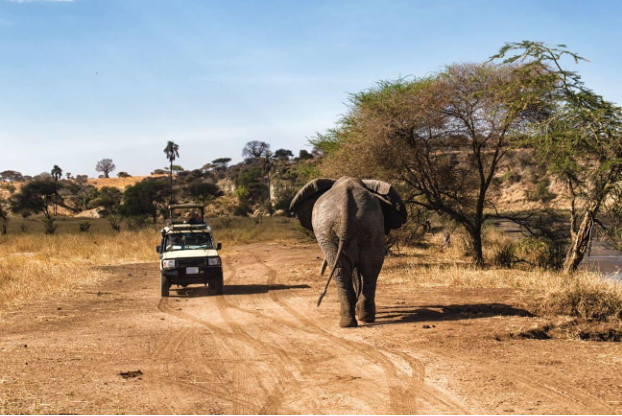
The first light of morning stretched across the plain in soft gold. Dust rises behind a distant herd, hanging in the air long after the animals have passed. Later, clouds gather on the horizon, and the wind shifts before a short, sudden rain. The landscape looks different within hours, yet the wildlife remains the same. In Tanzania, wildlife doesn’t change conditions, either.
A Tanzania Wildlife Safari is shaped as much by light, dust, and weather as by the animals themselves. These elements influence visibility, mood, movement, and even how long a sighting lasts. Understanding how natural conditions shape the experience helps travelers see the Tanzania Safari as a living environment rather than a fixed scene. Each drive unfolds differently depending on the atmosphere surrounding it.
The Role of Light in Wildlife Viewing and Photography
Light decides what you see and how you remember it. Early-morning and late-afternoon light transform the savannah. Soft angle and long shadow reveal the texture of grass, movement in herds, and a subtle shift in animal behavior. Predators returning from night hunts or grazers beginning to feed are easy to observe when light is low and temperatures are cool. These moments often create the most memorable sightings.
As the sun climbs higher, the contrast sharpens. Midday light can flatten the landscape, making wildlife hard to spot against open plains. Guides adjust by seeking shade, water sources, or wooded areas where animals rest. For those interested in Wildlife photography in Tanzania, understanding the direction and timing of light is essential. Backlighting can create silhouettes, while side light reveals detail and depth.
Evening light brings another shift. Colors deepen, shadows lengthen, and activity resumes as temperatures drop. The same landscape feels entirely different within hours, not because the animals have changed, but because the light has.
How Dust Shapes the Safari Atmosphere
Dust tells its own story on the plains. During dry months, vehicles and moving herds stir up fine dust. In places like the Serengeti, migration can send a cloud of dust drifting across the horizon. This creates a dramatic visual scene, silhouettes of animals moving through haze, golden light filtering through suspended particles, and a track visible on dry earth.
Dust also influences tracking. Fresh footprint stands out more clearly on dry ground, helping guides interpret direction and recent movement. At the same time, heavy dust can soften visibility at a distance, requiring patience and careful observation.
A Dusty season safari in Tanzania often feels cinematic. It is often regarded as the Best Time to visit Tanzania. The air carries scent and sound differently, and each movement leaves a visible trace. Rather than seeing dust as an inconvenience, many travelers come to appreciate how it adds texture and atmosphere to the experience.
Weather Patterns and Animal Behavior


Animals move differently when the sky changes. Weather plays a quiet but constant role in wildlife activity. On cool mornings, predators may remain active longer, while grazers feed before the heat builds. As temperatures rise, many animals seek shade or water, slowing movement during midday. Guides often adjust the route accordingly, focusing on areas where animals rest or gather.
Rain brings immediate change. Fresh grass growth attracts herbivores, and predators follow. Even a short shower can alter scent patterns, soften tracks, and shift where animals choose to move. Cloud cover can extend activity periods by lowering temperatures and reducing glare.
Wind also matters. It affects how animals detect scents and sounds, influencing their movement and positioning. Experienced guides consider this subtle cue when deciding where to drive or how long to wait. The impact of Tanzania’s weather on the safari becomes clear when watching how quickly behavior shifts with changing skies.
Seasonal Differences in Safari Experience
A Tanzania Safari in March feels nothing like one in August. Seasonal shift shape atmosphere as much as wildlife distribution.
During green months, landscapes appear lush, with scattered storms and soft light. Visibility may be lower in tall grass, but birdlife thrives, and dramatic skies add depth to the environment. The mood feels fresh and expansive.
In dry periods, grasses shorten, and water becomes more concentrated. Wildlife gathers near remaining sources, and visibility across open plains improves. Dust becomes more noticeable, and sunlight feels sharper. Each season offers a distinct sensory experience.
Understanding Tanzania safari light conditions and seasonal weather helps travelers appreciate differences rather than compare them. Both wet and dry seasons offer meaningful encounters, but with different atmospheres and rhythms.
Why Understanding Conditions Enhances Safari Expectations
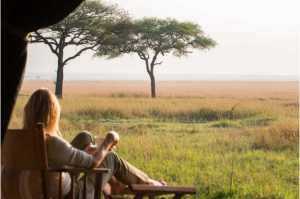

Knowing what shape the Tanzania Safari Experience, makes it richer. Many travelers imagine safaris as a consistent scene of clear sky and perfect visibility. In reality, changing conditions are part of what makes each day unique. Light shift color and contrast. Dust alters mood and distance. Weather change, movement, and sound.
When expectations align with these natural elements, the safari feels more authentic. A cloudy morning might bring extended wildlife activity. A dusty afternoon might create dramatic silhouettes. A short rainstorm might transform the landscape within minutes.
Understanding the safari atmosphere in Tanzania allows travelers to see beyond the checklist and appreciate how the environment and wildlife interact. Instead of waiting for ideal conditions, they begin to notice how each condition shapes the moment.
Experience Tanzania Wildlife Safari journeys guided by natural conditions, not predictable outcomes.


