







In the complex landscape of industrial settings, ensuring the safety of workers and preventing potential hazards is of paramount importance. Among the various threats that industries face, hydrogen leaks pose a unique and often invisible danger.
Hydrogen, a versatile and widely used element in various industrial processes, can be a silent threat when released unintentionally. To address this risk, portable hydrogen leak detectors have emerged as indispensable tools for safeguarding workers and facilities.
However, in this guide, we will be exploring the role of portable hydrogen leak detectors in industrial safety
The Nature of the Hydrogen Hazard
Hydrogen is a colorless, odorless, and highly flammable gas, making it challenging to detect without the aid of specialized equipment.
In industries where hydrogen is utilized for processes such as manufacturing, refining, or energy production, leaks can occur due to equipment malfunctions, wear and tear, or human error.
The potential consequences of a hydrogen leak include fire, explosions, and adverse health effects, making it imperative to implement robust safety measures.
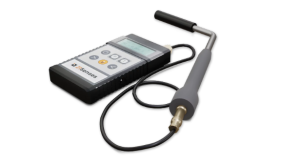

The Rise of Portable Hydrogen Leak Detectors
Traditional methods of hydrogen leak detection often relied on fixed monitoring systems installed at specific points within an industrial facility.
While these systems play a crucial role in continuous monitoring, they may have limitations in detecting leaks in remote or confined spaces.
This gap in safety measures led to the development and widespread adoption of portable hydrogen leak detectors.
Portable detectors offer several advantages, including flexibility in deployment, ease of use, and the ability to reach areas that may be challenging for fixed systems.
These devices utilize various sensing technologies such as electrochemical, infrared, and semiconductor sensors to detect and quantify hydrogen concentrations in the air.
Electrochemical sensors are commonly employed in portable detectors, reacting with hydrogen to produce an electrical signal that corresponds to the concentration of the gas.
Infrared sensors, on the other hand, detect specific wavelengths of light absorbed by hydrogen molecules, providing accurate measurements even in complex industrial environments. Semiconductor sensors offer a cost-effective solution and are sensitive to hydrogen concentrations, making them suitable for portable applications.
Applications in Diverse Industries
The use of portable hydrogen leak detectors extends across a broad spectrum of industries. In the petrochemical sector, where hydrogen is a crucial component in refining processes, these detectors play a vital role in preventing catastrophic incidents.
The manufacturing industry, particularly in the production of semiconductors and electronics, relies on hydrogen in various stages, making leak detection essential for worker safety and product integrity.
The renewable energy sector, with its growing emphasis on hydrogen as a clean energy carrier, also benefits from portable detectors.
Hydrogen fuel cells, used in electric vehicles and stationary power systems, require stringent safety measures to avoid leaks that could compromise both the environment and human health.
Emergency Response and Mitigation
One of the key advantages of portable hydrogen leak detectors is their role in rapid response and mitigation. In the event of a leak, these devices enable quick identification of the source, allowing for prompt corrective action.
Timely detection is crucial not only for preventing accidents but also for minimizing downtime and potential economic losses associated with facility shutdowns.
Furthermore, some advanced portable detectors are equipped with features such as data logging and wireless connectivity, enabling real-time monitoring and remote access to hydrogen concentration data.
This connectivity facilitates a swift response from safety personnel, who can assess the situation remotely and coordinate an effective emergency response.
Integration with Safety Protocols
The effectiveness of portable hydrogen leak detectors lies not only in their technological capabilities but also in their integration with comprehensive safety protocols.
Industries that prioritize safety often incorporate these detectors into broader safety management systems, including regular training for personnel, preventive maintenance of equipment, and the establishment of clear emergency response procedures.
Regular calibration and maintenance of portable detectors are essential to ensure their accuracy and reliability.
Additionally, providing training to workers on the proper use of these devices and the actions to take in the event of detection is crucial for a well-rounded safety approach.
Conclusion
As industries continue to evolve and embrace new technologies, the importance of safety cannot be overstated. The use of portable hydrogen leak detectors represents a significant step forward in addressing the unique challenges posed by hydrogen as an industrial gas.
These devices not only enhance workplace safety but also contribute to the overall resilience and sustainability of industrial operations.
The ongoing development of sensor technologies, coupled with the integration of smart features in portable detectors, is likely to further enhance their capabilities in the future.
By staying at the forefront of innovation and prioritizing safety measures, industries can effectively detect and mitigate the invisible threat of hydrogen leaks, fostering a safer and more secure working environment for all.


