





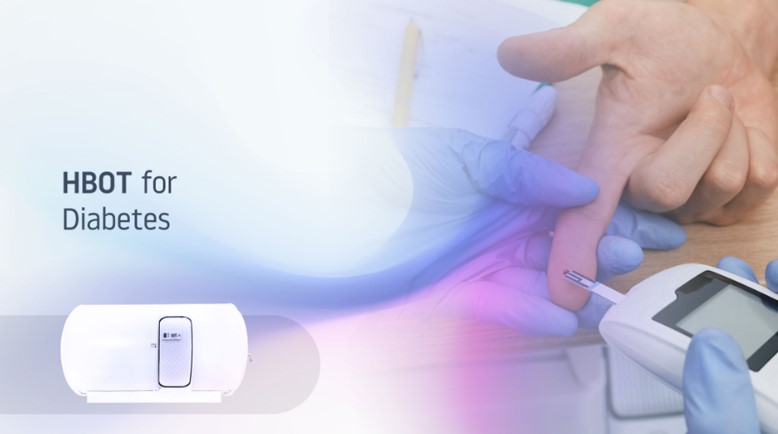
Do you have diabetes? You likely already know about the potential complications this condition can bring, including organ damage and circulation issues. But did you know that hyperbaric oxygen therapy-the use of pressurized oxygen tanks or chambers could help manage some of those symptoms naturally? Over recent years many studies have examined how this form of therapy has shown to improve tissue healing and potentially even reverse effects diabetes may cause.
What is Hyperbaric Oxygen Therapy and how Does it work?
To grasp the concept of hyperbaric oxygen therapy, let’s break it down. “Hyper” means increased or above normal, while “baric” refers to pressure. So hyperbaric can be understood as a state of increased pressure. In HBOT, patients breathe pure oxygen in a pressurized chamber that allows them to experience atmospheric conditions greater than sea level.
During a typical HBOT session, patients enter a specialized hyper chamber designed to withstand high pressures. Once inside, the chamber is sealed and gradually pressurized with pure oxygen until it reaches the desired level. This increase in pressure enables the body’s tissues and fluids to absorb higher levels of oxygen than under normal atmospheric conditions.
Under normal circumstances, red blood cells transport oxygen throughout our bodies by binding it to hemoglobin molecules within our blood vessels. However, certain medical conditions or injuries can compromise blood flow and limit the amount of oxygen reaching tissues effectively.
In an HBOT session, breathing pure oxygen under elevated pressure enhances the dissolved oxygen concentration within bodily fluids such as plasma, cerebrospinal fluid, and lymph. This increased oxygen availability promotes healing processes by stimulating the release of growth factors and stem cells while reducing inflammation.
What is Diabetes?
Diabetes is metabolic conditions which is characterized by abnormal sugar levels in your blood. There are two main types of diabetes; Type 1 DM, in which your pancreas does not produce enough insulin. Whereas in Type 2 DM your body becomes resistant to insulin. This can cause various complications throughout the body, such as heart disease, stroke, kidney disease, vision problems, nerve damage, and potential limb amputation due to poor circulation.
How can HBOT help deal with these complications?
When someone has a stroke, the interruption in their brain’s blood supply causes irreversible harm to specific regions of the mind. Higher blood glucose levels aggravate this injury, making it more challenging for the body to mend itself. Hyperbaric oxygen treatment can aid in repairing damaged blood vessels, restoring blood flow to afflicted parts of the brain. Furthermore, the increased oxygen concentration delivered through HBOT hastens the body’s innate healing processes, lessening inflammation and potentially enhancing the retrieval of misplaced neural capabilities.
1. It reduces Inflammation
Long-term inflammation, a typical problem in diabetics, might result in severe side effects like peripheral neuropathy and difficulty healing skin lesions.
By increasing oxygen delivery to the body’s tissues, hyperbaric oxygen therapy helps to ease these symptoms. As a direct consequence, there may be substantially less inflammation. Diabetic sufferers will benefit from this by lowering the severity of peripheral neuropathy, a state marked by nerve damage frequently accompanied by discomfort.
2. It Helps Promote Regeneration
Hyperbaric Oxygen Therapy (HBOT) has shown significant potential in managing complications associated with diabetes. A primary concern in diabetes patients is impaired wound healing, often due to poor oxygenation in body tissues. HBOT enhances the level of oxygen in the bloodstream, which in turn helps to accelerate the healing process. Additionally, it reduces swelling and inflammation, two common issues in diabetic wound healing.
The therapy also encourages the formation of new blood vessels, further promoting tissue regeneration. Research has evidenced that this can be particularly effective in treating foot ulcers in diabetes patients, reducing the risk of further complications such as infections or amputations. Therefore, using HBOT as a supplementary protocol can significantly enhance diabetes management.
How Many Sessions of HBOT are Required?
Hyperbaric Oxygen Therapy (HBOT) has shown promise in managing complications of diabetes, particularly in wound healing and preventing amputations. However, the number of HBOT sessions needed varies widely among patients, depending on the severity of the condition and individual response to therapy.
A typical protocol might involve 20 to 40 sessions, with each session lasting about 90-120 minutes, administered five days a week. It’s crucial to note that this is a general guideline and the treating physician determines the exact treatment plan.
Each case is unique, necessitating a tailored approach. Supervised by a trained healthcare professional, HBOT should be part of a comprehensive care plan, complementing other treatments for diabetes complications. It is always recommended to consult with a healthcare provider for individualized treatment advice.
What are Some Other Treatment Options for Diabetes Complications?
Aside from lifestyle changes and medication, there are other treatment options for complications associated with diabetes. For cardiovascular issues, procedures such as angioplasty, bypass surgery, or even heart transplants might be necessary. Kidney damage might require dialysis or a kidney transplant. Nerve damage can be managed through physical therapy, orthopedic shoes, or even surgery in severe cases.
Regular eye check-ups can help detect and treat glaucoma, cataracts, and retinopathy. Skin and foot care, as well as prompt treatment of infections, can prevent severe skin and foot conditions. Regular check-ups and maintaining good control of blood sugar levels are crucial in managing diabetes complications.
Conclusion
Hyperbaric Oxygen Therapy, including the use of HBOT chambers oxyhelp.com, is a beneficial resource and often overlooked option for managing diabetes complications in those who suffer from the condition. If you’re living with diabetes and struggling to deal with its many nasty symptoms, then HBOT may be your saving grace! With regular treatment sessions and a commitment to healthy dieting and lifestyle exercises, this natural approach could help those suffering from this disease take back control of their life.