







The Louvre Museum in Paris stands as a monumental beacon of culture and art, attracting millions of visitors each year. As one of the world’s largest and most significant museums, the Louvre offers an unparalleled view into the realms of history, art, and human creativity. This article delves into the rich history of the Louvre, its iconic collections, and the architectural evolution that has shaped it into a symbol of cultural heritage.
The Historical Evolution of the Louvre
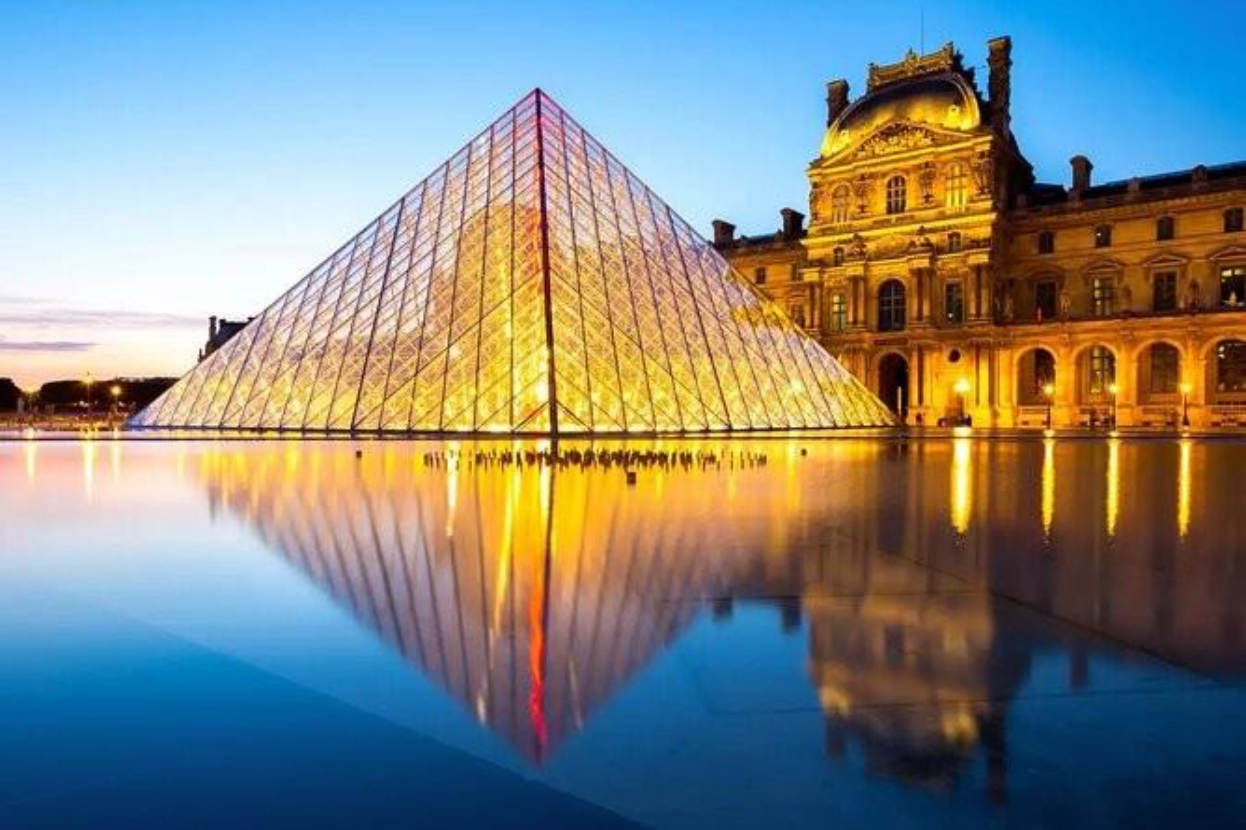
Originally built as a fortress in the late 12th century under King Philip II, the Louvre was transformed into a royal palace in the 16th century. Its conversion to a museum came during the French Revolution in 1793, symbolizing the transition from a monarchy to a public institution meant to showcase the beauty and intellect of mankind. Over the centuries, the Louvre has expanded and evolved, undergoing significant renovations and additions, including the famous glass pyramid designed by I.M. Pei, which serves as its main entrance today.
Masterpieces and Collections
The Louvre houses more than 380,000 objects and displays 35,000 works of art in eight curatorial departments. Among its most famous pieces are the “Mona Lisa” by Leonardo da Vinci, the “Venus de Milo,” and “Winged Victory of Samothrace.” The museum’s collection spans several thousands of years and includes works from nearly every civilization on earth. Each piece tells its own story, contributing to the broader narrative of human history and artistic expression.
Architectural Marvels of the Louvre
The architecture of the Louvre itself is as captivating as the masterpieces it houses. The palace stretches over an area of 652,300 square feet, with a complex of buildings constructed around the main courtyard, the Cour Carrée. The addition of the Louvre Pyramid in 1989 not only modernized the museum’s appearance but also improved visitor circulation. The juxtaposition of classic and contemporary architectural styles symbolizes the museum’s dedication to both historical preservation and modern innovation.
Cultural and Educational Impact
The Louvre is not only a treasure trove of art but also a vibrant educational hub. It offers a myriad of programs and workshops designed to educate and inspire visitors of all ages. From guided tours, lectures, and workshops to family-friendly activities and scholarly symposiums, the museum is committed to making art accessible and engaging for everyone. These programs emphasize the importance of art in society and encourage public participation in cultural preservation.
Challenges and Innovations
Managing the vast collections and the influx of visitors presents significant challenges. To address issues of overcrowding and enhance the visitor experience, the Louvre has implemented advanced ticketing systems and has begun digitizing its collections, offering virtual tours and online access to artworks. These innovations not only help in managing visitor flow but also extend the museum’s reach to global audiences, ensuring that the Louvre’s treasures can be enjoyed worldwide.
Future Directions and Global Influence
Looking to the future, the Louvre continues to expand its influence and collections. Plans for new exhibitions, international collaborations, and educational programs are consistently in development. The museum not only serves as a custodian of past art but also as a patron of contemporary works, showcasing modern art alongside ancient artifacts. This dynamic approach helps keep the museum at the forefront of cultural institutions globally and ensures its relevance for future generations.
The Louvre as a Global Icon
The Louvre Museum is more than just a place to view art; it is a symbol of cultural endurance and human achievement. As it adapts to the demands of the modern world while staying true to its historical roots, the Louvre remains a beacon for those who seek to understand the past and appreciate the beauty and complexity of human creativity. Through its collections, architecture, and educational initiatives, the Louvre continues to inspire and educate, bridging cultures and histories to enrich our global heritage.
Conservation Efforts and the Stewardship of Art
The Louvre is deeply committed to the preservation and conservation of its vast collections. The museum employs a dedicated team of conservators, historians, and scientists who work tirelessly to ensure that every artifact, painting, and sculpture is maintained in its optimal state. These professionals use cutting-edge technology and techniques to restore artworks that have deteriorated over time, and they are also involved in preventative conservation to protect these treasures from potential damage. This careful stewardship ensures that the works of art continue to be enjoyed by future generations, maintaining their historical significance and aesthetic value.
Accessibility Initiatives at the Louvre
Recognizing the importance of accessibility, the Louvre has made significant strides in making its collections available to all. This includes physical accessibility improvements for visitors with mobility challenges, as well as sensory-friendly programs for visitors with developmental and sensory processing disorders. Additionally, the museum offers various resources for the visually impaired, including tactile tours and audio guides. By fostering an inclusive environment, the Louvre strives to ensure that everyone, regardless of ability, can experience the wealth and beauty of its collections.
The Role of Digital Innovation in Museum Experience
In an era dominated by digital technology, the Louvre has embraced innovation to enhance the visitor experience and extend its reach. The museum’s digital archives, which provide online access to thousands of works, are an invaluable resource for educators, students, and art lovers worldwide. Furthermore, the Louvre’s app and virtual reality tours offer immersive experiences that allow users to explore the museum’s galleries from anywhere in the world. These digital tools not only democratize access to art but also help engage a younger audience, connecting them with the cultural heritage in new and exciting ways.
International Collaborations and Cultural Diplomacy
The Louvre actively participates in international depobos collaborations, lending works to other museums and organizing joint exhibitions. These activities not only help circulate and showcase the Louvre’s collections on a global stage but also foster cultural exchange and diplomacy. Through such partnerships, the Louvre contributes to a global dialogue about art, history, and shared heritage, strengthening international relationships and promoting mutual understanding.
Community Engagement and Local Impact
Beyond its global influence, the Louvre is deeply rooted in the local community. It hosts numerous events throughout the year, including free admission days, art workshops, and cultural celebrations that engage local residents and make art more accessible to the public. These initiatives are crucial for building strong community ties and ensuring that the museum serves as a vibrant cultural hub for Parisians and visitors alike.
The Enduring Legacy of the Louvre
The Louvre Museum remains a pillar of cultural history and an emblem of artistic excellence. As it continues to navigate the challenges of modernity and embrace new opportunities, the Louvre upholds its mission to educate, inspire, and connect people across the globe. Its commitment to preservation, accessibility, and innovation ensures that the Louvre will continue to be a cherished institution, celebrated not only for its past contributions but also for its future endeavors in the world of art and culture. Through its doors pass not just art aficionados but anyone wishing to partake in the rich tapestry of human creativity, preserved within the walls of one of the world’s most esteemed museums.


